
Sometimes, it is confusing to select porcelain vs ceramic tiles for your residential or commercial property because these tiles have similar designs and look the same. The main difference between these tiles is in their properties because they have different durability, maintenance requirements, water absorption properties, cost and suitability.
Make the right choice for your surfaces
Which tiles are best for your tile installation project depends on your style preferences, budget, property layout, foot traffic, and moisture exposure. Porcelain tiles are generally a good choice for bathrooms, showers, kitchens, outdoor pathways, and commercial properties with high foot traffic and constant moisture exposure. Ceramic tiles are popular for mostly indoor spaces such as living rooms, bedrooms, hallways, dining areas, laundry rooms, and feature walls.
| Properties | Ceramic Tiles | Porcelain Tiles |
|---|---|---|
| Material | Nature clay and minerals | Refined and dense clay |
| Durability | Suitable for low foot traffic areas | Highly durable and suitable for high-foot traffic outdoor spaces |
| Water Resistance | High water absorption rate above 0.5% | Very low water absorption rate less than 0.5% |
| Maintenance | Easy to clean and maintain with regular mopping and cleaning | Resistant to stains and moisture and easy to maintain |
| Surface Durability | Resistant to scratches when glazed properly | It has excellent surface durability and resists stains and scratches |
| Cost | Affordable pricing and installation costs | Higher installation costs because of premium tile quality and installation needs |
| Lifespan | Last for years if installed in suitable places with proper installation techniques (20-50 years) | Lasts for decades in most cases and highly suitable for heavy traffic areas (50+ years) |
| Installation | Easy to cut and install | Requires expertise, specialized cutting and installation tools |
Ceramic tile manufacturers make these tiles from natural clay, minerals and other tiling materials. After that, these tiles are shaped and dried and go through a high-temperature fire to create a hard and durable tile surface. Ceramic tiles are usually coated with a protective glaze that creates the color and pattern of these tiles. It also makes ceramic tiles stain-resistant and provides a smooth finishing tile design. Ceramic tiles are affordable and durable, and that’s why these tiles are one of the most common tiles installed in residential indoor spaces.
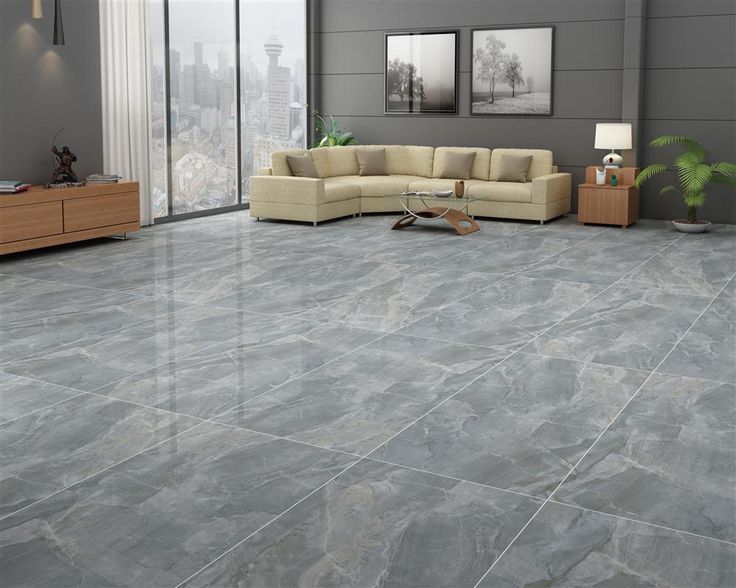
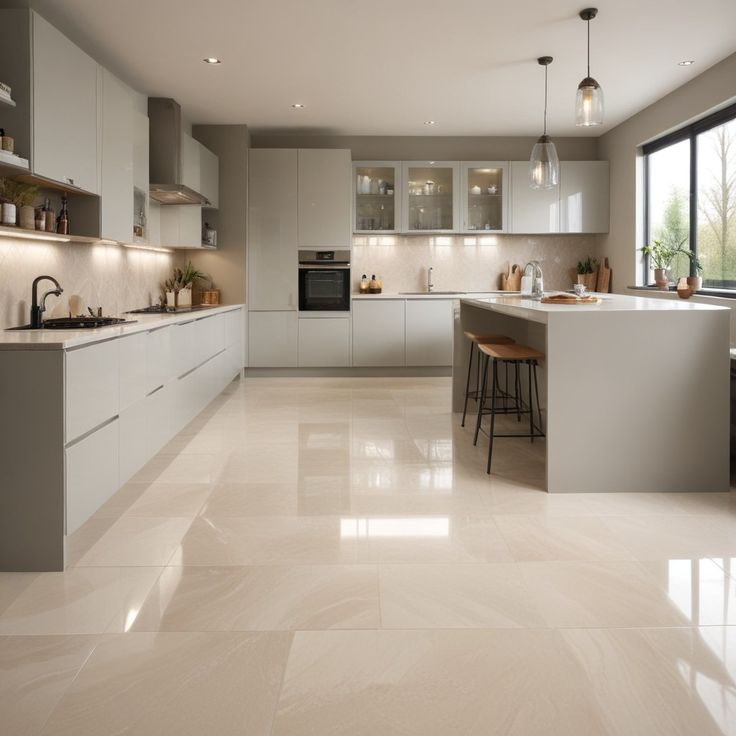
Porcelain tile manufacturers make these high-density tiles from refined clay, silica, feldspar and other natural minerals. Then these tiles are shaped and fired at an extremely high temperature to make them hard, durable, and less porous. Porcelain tiles are a smart choice and are mostly installed in indoor and outdoor residential and commercial spaces because these tiles are highly resistant to moisture and can withstand heavy foot traffic for decades.
Porcelain tiles are generally best suited for wet areas, bathrooms, showers, and other areas on the property with high moisture levels. Porcelain tiles are highly water resistant and absorb less than 0.5 % water.
Porcelain tiles are better if you have pets on your property. Porcelain tiles are more dense, durable, easy to clean and highly resistant to scratches, stains and moisture.
Both porcelain and ceramic tiles are excellent choices for radiant heating systems because they conduct and distribute heat efficiently. But porcelain is generally a more suitable choice because it has a high density that makes it retain heat slightly longer than ceramic tiles.
Yes, both require low maintenance and are easy to clean. But do not use acidic chemicals or cleaning agents because these can damage tile grout.
Yes, you can install ceramic tiles in bathroom walls, floors, backsplashes and other wet areas that experience light moisture exposure. Glazed ceramic tiles are more suitable for bathrooms because the protective layer makes them more durable against moisture.
Yes, porcelain tiles require expertise, specialized tile cutting tools, and installation techniques to properly install each tile according to the final layout.
Ceramic tiles cost less and are a more budget-friendly option for residential tile installation projects. Ceramic tiles are lightweight and easy to cut and install precisely on surfaces.
The best option between ceramic and porcelain tiles depends on tile preferences, installation area, moisture levels, design, budget, and foot traffic. Both tiling options are popular, but have different properties such as water absorption rate, tile density, durability, lifespan and more. Install ceramic tiles if you want to install affordable and durable tiles in indoor spaces. Choose porcelain tiles if you want to install strong and weather-resistant tiles in heavy-traffic areas in outdoor spaces.